Author :
Daler Singh
Category :
Residential Framing
Read Time :
5 min read
Date:
Oct 1, 2025
Introduction
Mastering Residential Framing in Construction: What Every Homeowner Should Know
If you’ve ever walked through a home under construction, you’ve seen the maze of lumber and beams that form the structure’s skeleton. That’s framing — the unseen but essential framework that supports every wall, floor, and roof.
Whether you’re building a custom home, tackling an addition, or planning a renovation, understanding residential framing in construction can help you make smarter decisions and avoid costly mistakes.
This guide dives into how framing works, the materials used, modern techniques for strength and efficiency, and what to ask your contractor before you build.
What Is Residential Framing in Construction?
Framing is the structural core of any building — it defines its shape, supports its weight, and ensures it stands strong for decades. The frame connects the foundation to the roof, distributing loads and resisting forces like wind and settling.
Think of framing as your home’s skeleton. If it’s not done right, even the best finishes won’t save you from cracks, sagging floors, or structural issues later on.
Key Framing Methods Used in Residential Construction
Platform Framing — The Modern Standard
The most common method in today’s homes, platform framing builds one level at a time: a floor, then walls, then the roof. It’s safe, cost-effective, and meets most modern building codes.
Balloon Framing — A Piece of History
Once common in older homes, balloon framing used full-length studs running from foundation to roof. It’s largely phased out due to fire safety and structural limitations.
Post-and-Beam & Timber Framing
These methods use heavier timbers and fewer vertical studs, ideal for open-concept or high-ceiling spaces. They look beautiful but require specialized craftsmanship and engineering.
Materials & Tools: What Goes Into a Quality Frame
Quality framing starts with quality materials.
Lumber: Typically 2×4 or 2×6 studs, spaced 16" or 24" apart.
Engineered Wood: Products like LVLs and I-joists provide longer spans and resist warping.
Fasteners: Nails, screws, and connectors must meet load and shear requirements.
Framers use pneumatic nailers, saws, and lasers to ensure precision. Efficient crews can frame an average home in 1–3 weeks, depending on size and complexity.
Step-by-Step: How the Framing Process Works
Foundation & Sill Plate: The frame starts at the foundation, where the sill plate is bolted down.
Subfloor & Joists: Floor joists are spaced evenly, covered with plywood or OSB subflooring.
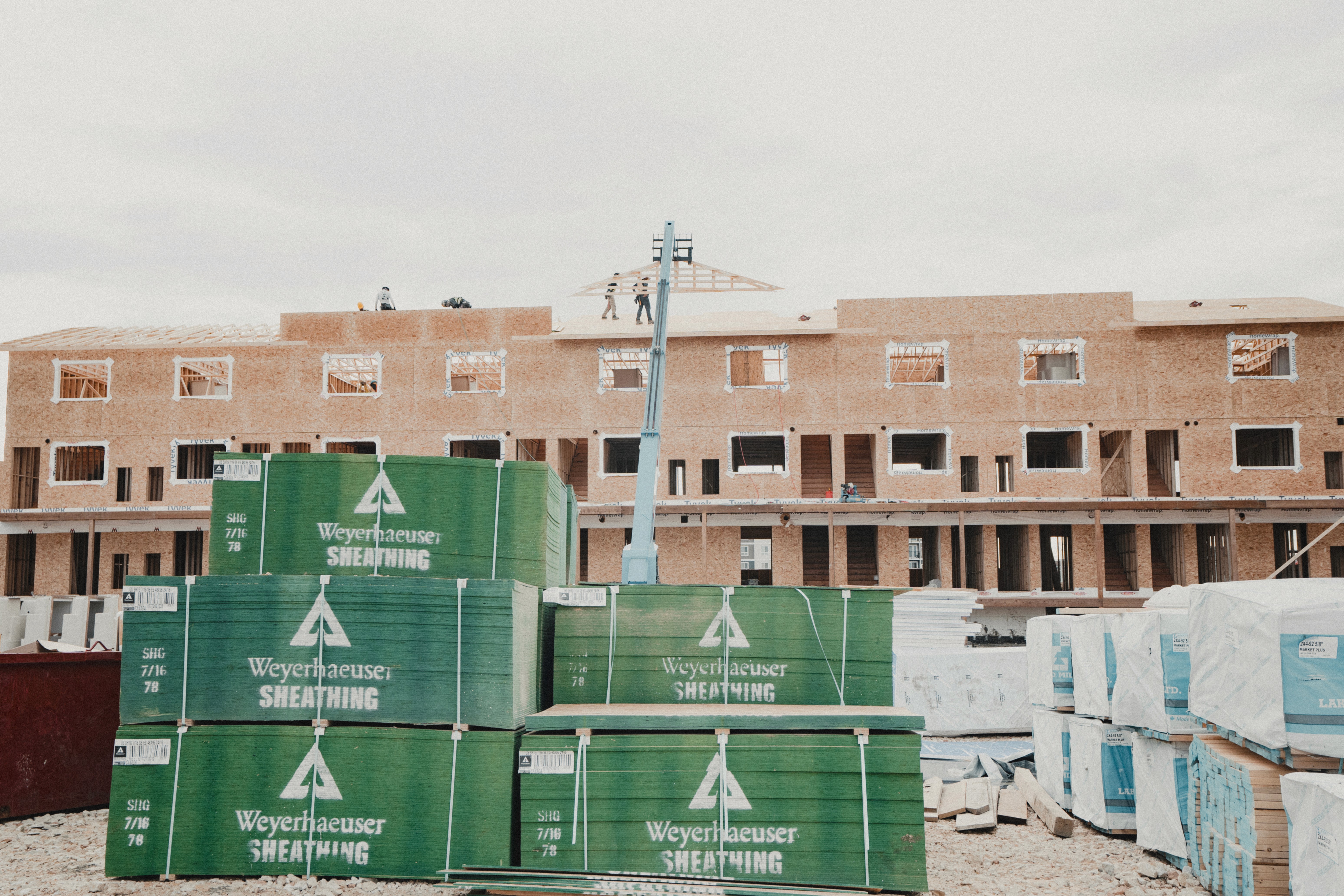
Wall Framing: Walls are built on the ground, raised, and anchored. Studs, headers, and sheathing form the structure.
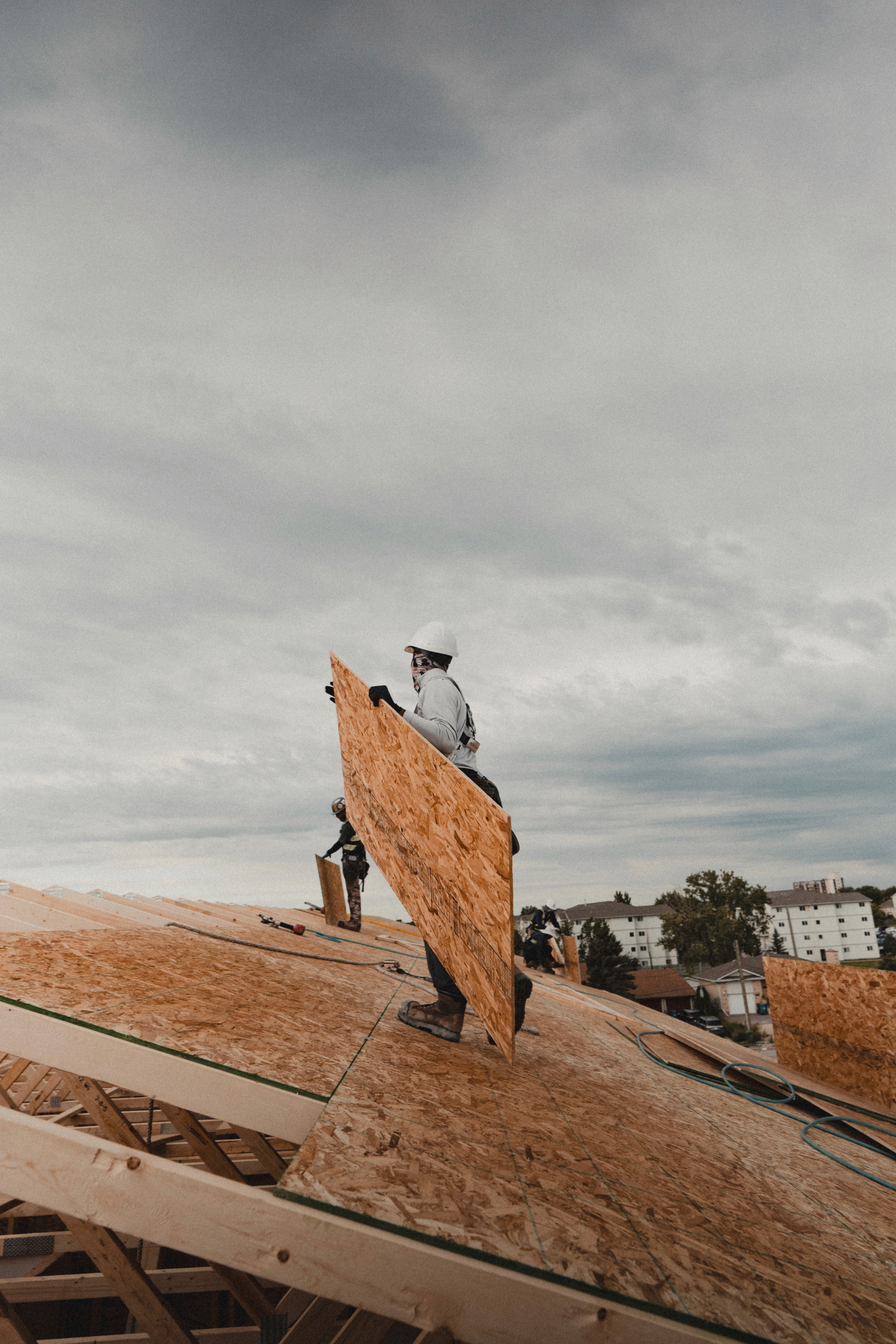
Roof Framing: Trusses or rafters complete the skeleton, distributing weight to the walls below.
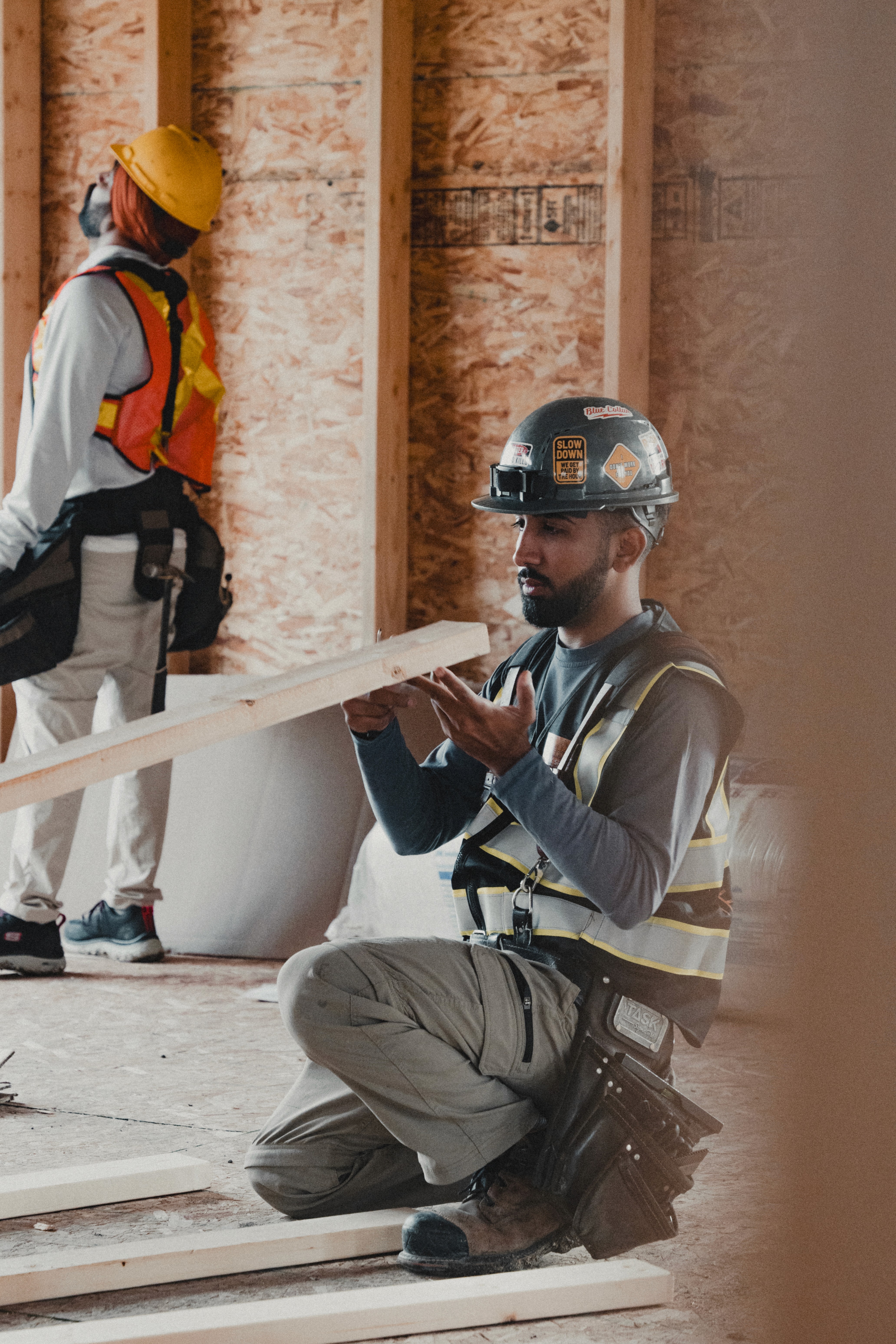
Openings & Details: Door and window headers, bracing, and alignment checks finalize the frame.
This phase sets the tone for every trade that follows — drywall, roofing, electrical, and insulation all depend on precise framing.
Advanced Framing Techniques for Strength & Efficiency
Modern builders use Advanced Framing or Optimum Value Engineering (OVE) to reduce waste and improve energy performance.
By aligning studs, joists, and rafters, and spacing them strategically, builders use less lumber while increasing insulation coverage — improving energy efficiency by up to 5%.
These methods not only save materials but also reduce labor time and environmental impact.
Common Framing Mistakes (and How to Avoid Them)
Even experienced crews can slip up. Here’s what to watch for:
Improper Stud Spacing: Causes drywall cracks and weak walls.
Inadequate Bracing: Makes walls prone to movement under stress.
Poor Lumber Quality: Wet or warped lumber can lead to uneven surfaces.
A reputable framing contractor will follow code, brace correctly, and use dry, properly-graded lumber.
Framing Costs, Timelines & What to Ask
Framing typically makes up 10–20% of total construction costs. For a single-family home, that might range from $15,000 to $50,000, depending on materials and size.
Ask your contractor:
What framing method will you use?
Are materials kiln-dried or treated?
How will you prevent warping or squeaks?
Can I see examples of past work?
Good communication upfront avoids change orders and ensures a smoother project.
Framing for Renovations & Additions
Adding a new room or reconfiguring walls requires careful structural planning. A professional framer ensures new beams tie seamlessly into old ones, maintaining strength and balance.
During remodels, framing often reveals hidden issues — sagging joists, undersized headers, or outdated techniques. Fixing these early prevents long-term problems.
Inspections & Quality Control
Inspectors focus on spacing, nailing, bracing, and alignment. A solid inspection checklist includes:
Straight walls and plumb corners
Secure anchor bolts
Proper header installation
Structural sheathing attachment
Don’t rush this step. Once drywall goes up, fixing framing mistakes becomes expensive.
Future Trends in Residential Framing Construction
Framing is evolving fast:
Prefab Systems: Wall panels and modular units reduce on-site labor.
Smart Integration: Frames are designed for in-wall wiring, sensors, and future tech.
Engineered Lumber: Stronger, more sustainable materials replace traditional 2×4s.
These innovations improve speed, accuracy, and environmental performance.
Quick Takeaways
Framing is the backbone of every home — don’t cut corners.
Platform framing dominates modern construction.
Advanced techniques boost efficiency and sustainability.
Choose high-quality lumber and experienced contractors.
Always inspect before closing walls.
FAQs
Q1: How long does it take to frame a house?
A: Most single-family homes take between 1–3 weeks depending on size, crew, and weather.
Q2: What’s the difference between platform and balloon framing?
A: Platform builds one level at a time; balloon uses long continuous studs — rare today.
Q3: Are advanced framing methods worth it?
A: Yes — they reduce material waste and improve insulation without sacrificing strength.
Q4: How much does framing cost per square foot?
A: Typically $7–$16 per square foot, varying by location and materials.
Q5: Can I upgrade framing during renovation?
A: Absolutely — it’s the best time to improve structural integrity and energy performance.
Conclusion
Framing isn’t just the start of construction — it’s the foundation of everything your home becomes.
A well-framed house stands stronger, performs better, and lasts longer. Whether you’re building new or renovating, take time to choose the right materials, understand the process, and hire professionals who value precision.
Because when it comes to framing in construction — getting it right means building it for life.
We’d Love to Hear From You
What part of the framing process do you find most challenging — materials, planning, or choosing a contractor?
Drop a comment below or share this post with someone planning a build — your insight could help them frame smarter.
References
In smaller spaces, every piece of furniture needs to serve more than one purpose. Opt for pieces that combine function with form, like fold-out desks, convertible sofas, or beds with storage underneath.
Fold-out furniture saves space when not in use
Storage ottomans can double as seating and storage
Multi-tier shelving systems increase vertical storage
Choose compact, lightweight furniture that is easy to move
Maximize Vertical Space
Don’t neglect your walls! Installing shelves, cabinets, and hooks on vertical surfaces is an efficient way to store items without taking up valuable floor space.
"Vertical storage is your secret weapon. It transforms empty walls into functional spaces and helps you keep the clutter at bay."
Prioritize Natural Light
Natural light can make a room feel larger and more open. Maximize light by using light-colored paint, sheer curtains, and mirrors to bounce light around the room.
Choose light shades for walls and furnishings
Use large mirrors to reflect natural light
Install windows where possible to increase sunlight
Opt for translucent blinds to maintain privacy while letting in light
Create Separate Zones
Even in an open-plan layout, creating defined zones can help your space feel organized and efficient. Consider using rugs, furniture arrangements, or lighting to distinguish different areas.